
Sweatshops are all over the world, however many people are not aware of it. Typically whenever someone heres the word sweatshop, they automatically think about third world countries and workers doing jobs under terrible and hazardous conditions, just to
earn what we would consider scraps. The truth is that sweatshops are a global issue at hand. They are not only in third world countries, but in also second and even first world countries as well.
So, what exactly is a sweatshop? Well informally a sweatshop is a facility to say the least, where workers do average and sometimes highly skilled work for less than the proper pay, while doing so in sometimes horribly terrible working conditions, which can be air pollution, machine hazadards, or anything that would in some way impair working. However more formally, according to Merium Websters Dictionary a sweatshop is, " shop or factory in which employees work for long hours at low wages and under unhealthy conditions."
I do not know much more than probably the average person about sweatshops, and therefore I could not possibly provide you with all the required information about them. So, instead below are some basic knowledge facts about sweatshops as provided by http://users.wpi.edu/~justice/
aka, Justice League News.
Sweatshop Facts and Statistics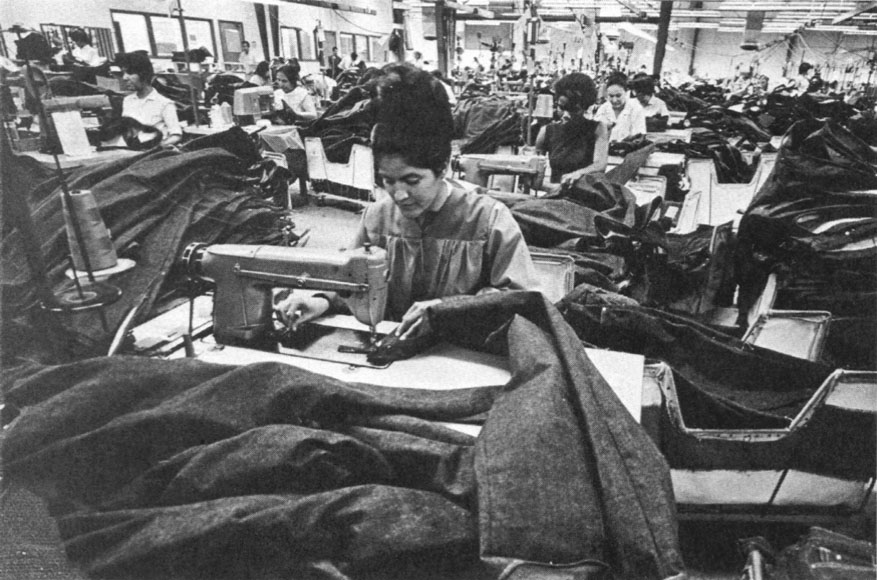
* The university clothing industry is worth over $3 billion dollars annually. Most of those clothes are manufactured in sweatshops.
* Sweatshop workers earn as little as one half to one fourth of what they need to provide for basic nutrition, shelter, energy, clothing, education, and transportation.
* In order to meet the basic nutritional needs of their families, sweatshop workers spend between 50-75% of their income on food alone.
* Worker wages typically account for 1-1.5% of the final retail cost of a garment. For example, a worker is typically paid 25 cents to make a $20 shirt. If the price were raised to $20.25, the brand could double the worker's salary with no loss of profit.
* Almost 75% of the retail price of a garment is pure profit for the manufacturer and retailer. That means that if the manufacturer absorbed the cost to double a worker's salary (as in the example above), their profit would decrease only to $14.75 instead of $15.
* Nike Chairman Phil Knight makes $14,000 a day; An Indonesian garment worker makes $2.50 a day.
* For less than 1% of Nike's advertising budget, wages could be doubled for all workers making Nike university clothing.
* According to US government data, in the past 10 years the price for cotton-knit shirts paid by US brands to factories has fallen 50%, on average. This drop in price has not been reflected in consumer retail prices.
There are many companies who take control of sweatshop workers, so next time you buy something, just consider the true price that garment costs to make!
Pictures:
Top Right:http://www.easternct.edu/depts/edu/textbooks/glimpse.jpg
Lower Right:http://www.latinamericanstudies.org/immigration/sweatshop.jpg

1 comment:
hi ... i totally agree with your article... some thing needs to be done to stop this.... i agree that it is a global issue but i deffintly think that we should consider majority ofthe developing world... and i was wonderign whetehr it would be possible if i could use your image of a sweatshop to make a group on facebook...?
Post a Comment